Tattoo and PMU Studio Rental: Privacy, Sinks, Licensing, and Safety Rules
If you’re renting out space for a tattoo or PMU studio—or looking to lease one yourself—the actual layout and rules are non-negotiable. The two biggest mistakes? Not setting up real privacy and missing the mandatory hand sinks. Get either wrong, and the local health inspector can shut you down. For owners, a single empty chair or unused room is usually a $400 to $800 loss every month. For artists, failing inspection can delay earning for weeks. Salon Renter talks to both sides every day, so here’s what you need to know before you list, lease, or start work behind the chair.
What Tattoo and PMU Rentals Must Get Right
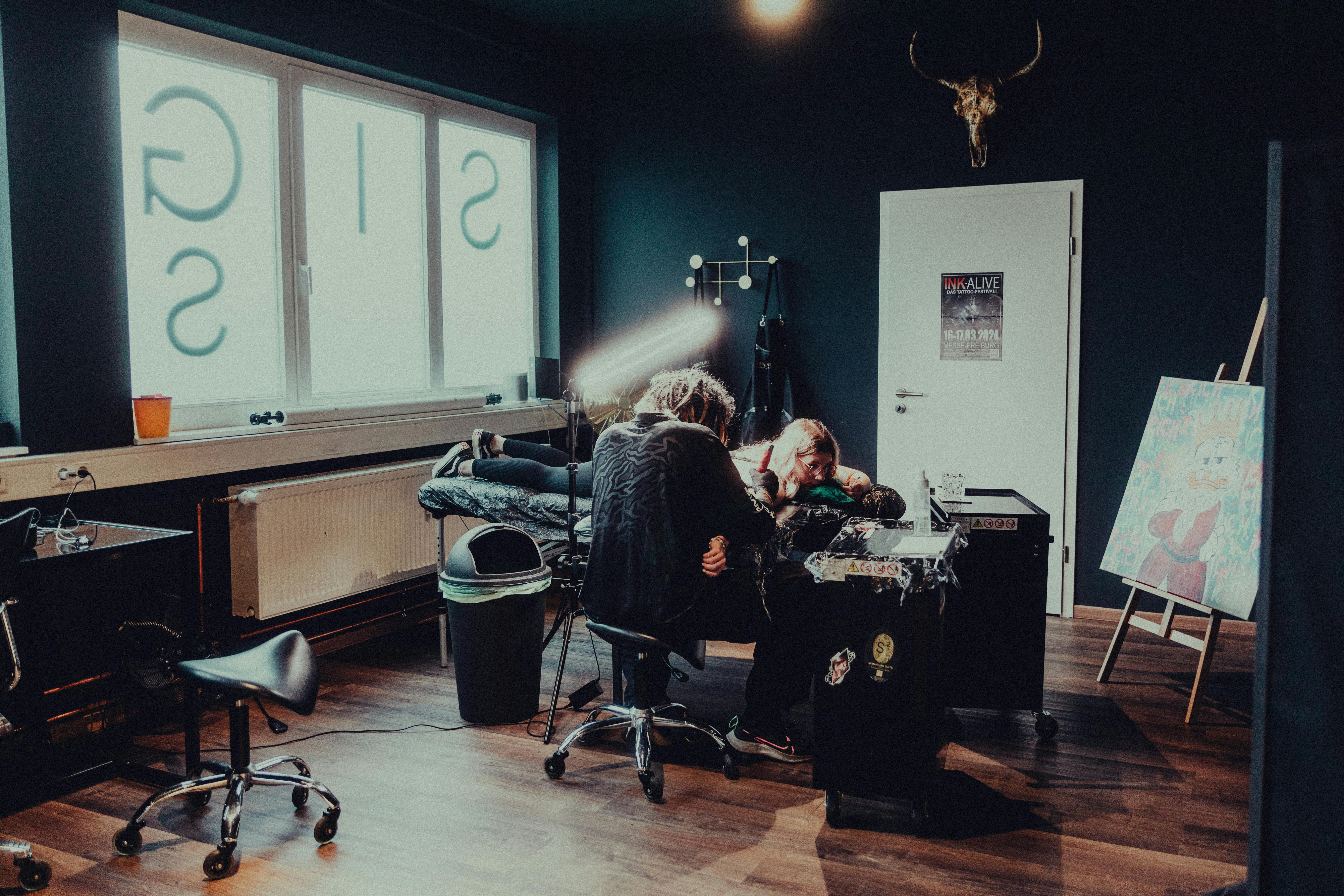
- Privacy: Most local rules require a screened area, permanent wall, or fully private suite for body art. A curtain might not cut it. Expect to need at least a partial wall or closed door.
- Sinks: Hand sinks must be inside or directly at your station. That means hot and cold water, soap, and single-use towels close enough to wash in the same room or zone where the work happens.
- Restrooms: Restroom access must be clear and not routed through dirty work areas. In most places, clients and artists shouldn’t walk through another artist’s space to get there.
- Separation: Studio zones can’t blend with living space or unrelated businesses. Clients need a direct entry to the art studio with no extra foot traffic from non-clients.
Privacy Isn’t Just for Comfort—It’s Code
Every artist behind the station does private work, but for tattoo and PMU, it’s even more sensitive—think brows, lips, cover-ups, and medical camouflaging. Many cities mandate a real divider so the client can’t be seen by people in the waiting area or from the hallway. Screens, sliding doors, or cubicles can be enough, but not always. If you plan to sublease a booth or offer chair rental, check if a flexible divider meets code, or if you’ll need a fixed wall (some counties require a permanent build-out).
Why It Matters for Both Owners and Renters
If you list an open booth next to busy walkways, expect slow renters and constant questions about privacy. Renters, if you try to work in open floor plans, you might lose PMU clients who want low visibility. Many of the artists searching on Salon Renter filter for private suites for this reason. It speeds up bookings and lease signings for both sides.
Sinks and Water Rules: No Workaround Here
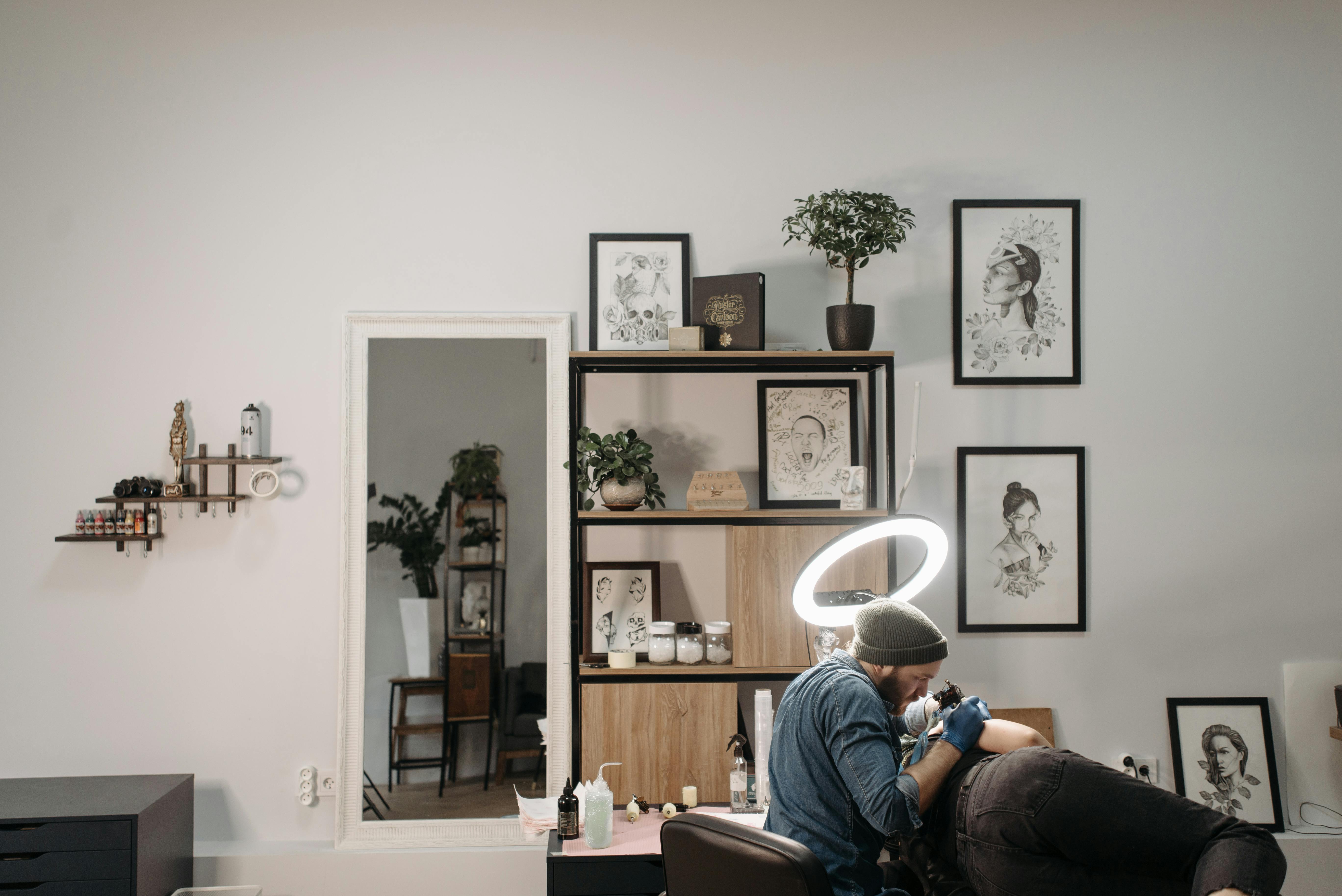
- Hand sink must be inside each work space in many cities, not just in the common break area.
- One shared salon sink often isn’t legal for tattoo/PMU in most regions.
- Soap, disposable towels, or air dryer must be always stocked and within quick reach.
- Some codes want a separate utility sink purely for cleaning (not always required, but a strong plus).
Avoid setups where you or your renter must leave the station or cross a hallway to wash hands. When in doubt, call your city’s health department before signing or listing.
Licensing and Permits—Don’t Assume Anything
- Artist/Technician License: Most cities require state or local licenses, even for PMU.
- Facility Permit: The suite or studio needs a health permit beyond the landlord’s basic business license.
- Zoning: Not every commercial space can be approved. Zoning may ban body art in certain plazas or mixed-use setups.
- Bloodborne Pathogen Training: Certificates are required almost everywhere for body art and PMU—owners should request proof before finalizing a lease agreement.
Salon Renter always recommends verifying these before any money changes hands. Skipping this step is what leads to empty studios and rent losses for owners.
Safety and Sanitation: What Inspectors Look For
- Sharps disposal: Proper, labeled containers for used needles are non-negotiable.
- Client record storage: Consent and aftercare forms need to be locked away so client info is always private.
- Sterile vs. Dirty zones: Never overlap clean supply storage with reused tools, barriers, or trash.
- ID verification and age limits: Most codes require proof of age before a needle touches skin.
- Post-procedure cleaning: Clear process and accessible cleaning zone in or near each suite.
PMU work such as brows and lips need even more consultation and cleanup time than other beauty services. Quiet rooms with proper handwashing setups are not optional—especially for clients with health concerns.
Typical Square Footage and Layout
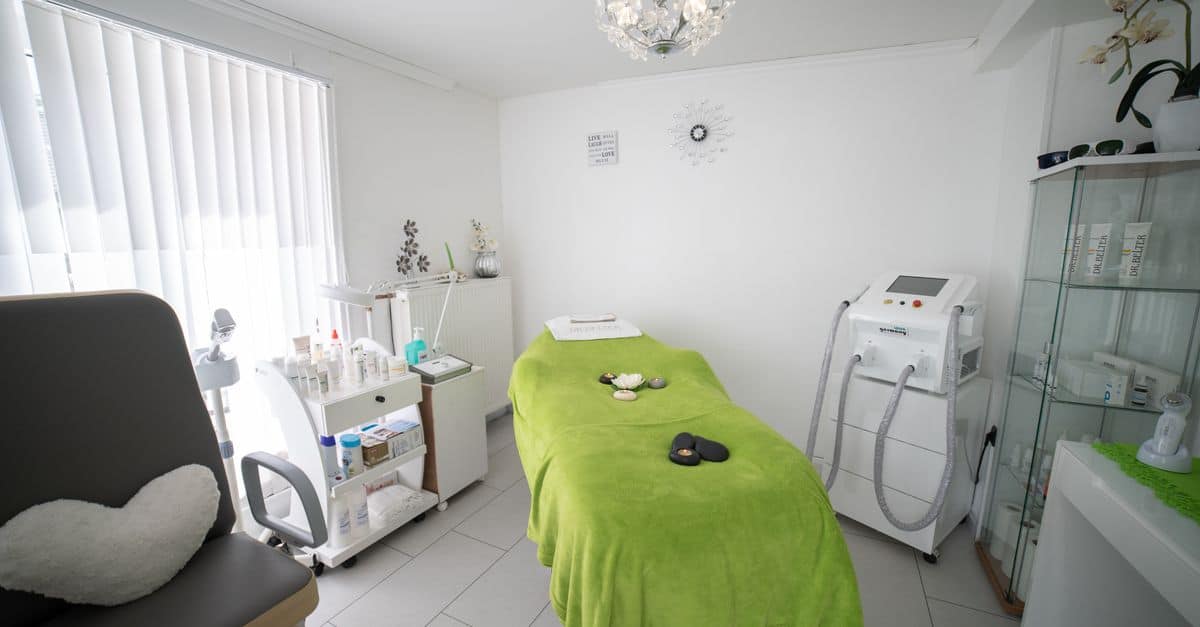
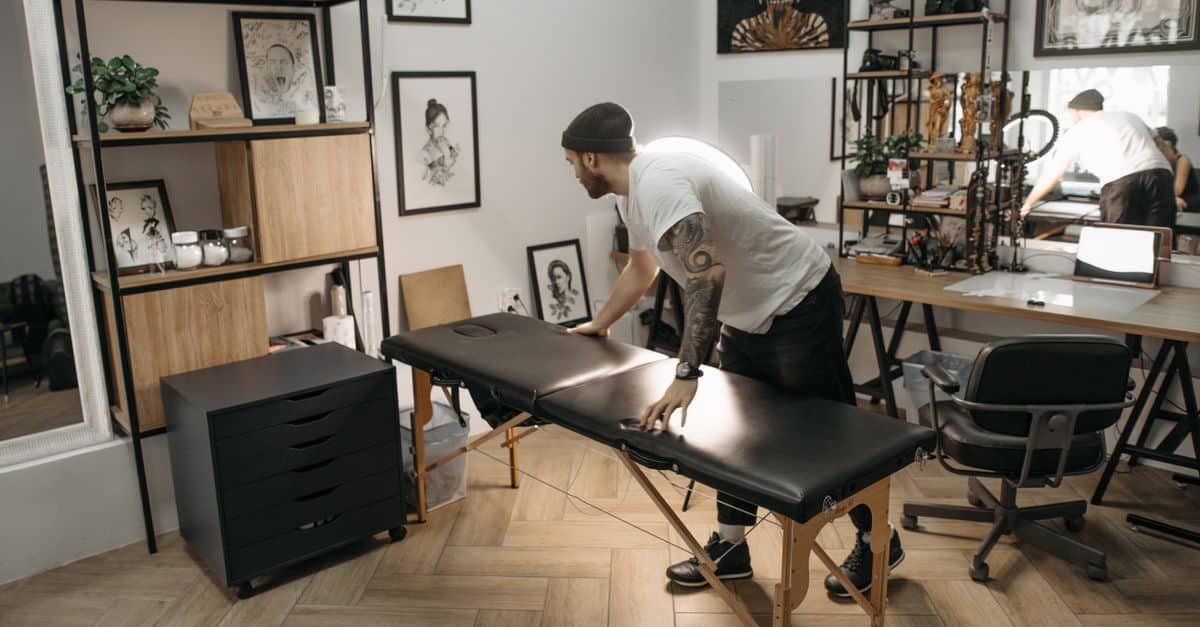
Booth and suite size depends on city, but one standard: at least 80 square feet per artist, with a solid barrier at least four feet tall between stations. Open floor plans without barriers risk automatic health inspection failure. Even in shared salons, your lease should outline how privacy and handwashing are guaranteed at each station.
- One tattoo or PMU chair/recliner
- One artist stool
- Accessible hand sink
- Storage cabinet for gloves, inks, and barrier film
- Clean surface for setup and before/after care paperwork
If you’re shopping for space, Salon Renter’s advanced filters help you sort listings by suite size, sinks, and amenities to find code-compliant setups faster.
Scenario: Shared Salon Risks That Cost You Money
Let’s say you own a 4-chair space in Houston and offer two open floor booths for $225/week each. Both sit empty for a month because city code requires a fixed divider and sink in each booth for tattoo/PMU. That’s $1,800 lost in four weeks. Meanwhile, an artist shops via Salon Renter and finds a similar booth, but it has a wall and sink in place. That studio gets filled first. Owners who know the rules lease up faster and avoid long-term vacancy problems.
Biggest Mistakes and How to Prevent Them
- Listing a room as “ready” when it fails the privacy or sink rule.
- Not confirming that zoning allows tattoo/PMU—some properties legally can’t host body art.
- Putting too many artists in one room, leading to noise, chaos, and potential health compliance issues.
- Failing to ask artists for license and bloodborne pathogen certificates up front.
Every week, we see owners who fix one wall or add a sink and instantly start fielding rental requests. Details make or break your rental income.
Best Practices for Tattoo and PMU Studio Rentals
- Owners: Always specify in your listing if your suite or booth has a dedicated hand sink, solid divider or door, and is preapproved for tattoo/PMU by the city.
- Renters: Tour each space in person, run through your own compliance checklist (privacy, sinks, bathroom, layout), and confirm zoning with your city’s office before you pay a deposit.
- Screen artists: Ask for active license and bloodborne training proof. If you plan to add more renters, stagger them so no two new hires share the same inspection deadline.
- Check lease terms: Define who is responsible for compliance upgrades—landlord or tenant? Document everything, especially if you need to install new plumbing or build a wall.
Read more on what to look for before you tour a space.
FAQ: Tattoo and PMU Studio Rental
What is the minimum size for a tattoo or PMU booth?
Many cities require at least 80 square feet per station, with a permanent divider. Always check with your local health department.
Can I rent a space that only has one shared sink?
Usually not for tattoo or PMU. Most codes require a hand sink in, or adjacent to, each work area. Shared salon sinks in the break room don’t qualify.
Is a curtain or screen enough for privacy?
Sometimes, but not always. Some regions demand a wall or fixed barrier. Ask your city’s health office for the most current requirement.
Do both owner and renter need licenses?
Yes. Generally, renters need an artist or practitioner license. Owners or facilities often require a valid health permit for the space itself.
How can I avoid wasted time on noncompliant spaces?
Use Salon Renter to search listings by compliance features, schedule tours, and ask owners about code-ready setups up front.
How much does a code-compliant private PMU or tattoo suite cost?
Rates can range widely by city, but a true private suite with sink and bathroom access in a major city like Phoenix or Dallas may run $300 to $500 per week. Open booths cost less but pass health code less often.
Step-by-Step Framework: Finding or Listing Tattoo/PMU Space
- Check your local city and county health and zoning codes for tattoo/PMU requirements.
- Inspect the space for hand sinks, privacy walls, and restroom routes.
- Confirm both lease terms and licensing status. Owners, ask for documents up front. Renters, get a list of included amenities, and clarify what upgrades are required.
- List clearly or search by feature. Use the privacy and sink filters on Salon Renter to avoid wasted tours and lost rent.
- After touring and checking code, finalize the lease only after all requirements are met.
What to Do Next
If you’re an owner with empty chairs or booths, check your setup against this checklist: privacy, sinks, licensing, safety. Fix what’s missing and list with the right features so renters can say yes without guesswork. If you’re a tattoo artist or PMU pro tired of lost earnings from failed inspections, tour only code-ready spaces. Use Salon Renter to compare studios by actual code features—not just looks or price. That’s how you fill your calendar—no lost months or last-minute fire drills.
Got more compliance or setup questions? Browse our other in-depth guides like Salon Space for Rent Checklist or Med Spa Room Rental: Medical Oversight, Sharps Disposal, and Lease Questions for more step-by-step advice. Or, head to SalonRenter.com and take the guesswork out of your next rental today.