
How to Find and Land Salon Hairdresser Jobs Near You
How to Find and Land Salon Hairdresser Jobs Near You
To find and land salon or hairdresser jobs near you, search beauty-specific openings by role and city, show a clear portfolio, then treat the interview and trial day like a two-way fit check. This guide walks that path in order so you spend less time on dead-end listings and more time in salons that are actually hiring.
Whether you are hunting hairdresser jobs near me, broader salon jobs, beauty therapist roles, or hair stylist jobs near me, the process is the same: clarify the job type, prove your craft, ask sharp questions, and walk away from red flags. Use the steps below, then browse live openings when you are ready to apply.
Where to look for salon and hairdresser jobs near you
Start where salons already post for licensed pros, not only where generic keyword spam lives.
- Beauty-focused job boards. Filter for hair, barber, esthetics, nails, or spa roles instead of wading through unrelated “salon” retail listings.
- City and “near me” searches. Pair your role with your metro (or allow location on a board) so you are not applying two hours away by accident.
- Salon Instagram and Google Business profiles. Many independent owners announce hiring in Stories or posts before a formal ad goes live. Follow salons whose work matches yours and watch for “hiring,” “chair open for stylist,” or “front desk + stylist” language.
- School and peer networks. If you are newly licensed, ask instructors and classmates which floors are training-friendly. A warm intro still beats a cold form more often than people admit.
- In-person drop-ins, done professionally. When a salon’s culture fits, visit during a quiet window, ask for the owner or manager by name if you know it, leave a short resume plus portfolio link, and treat every front-desk person like a decision-maker.
Skip the scatter approach of applying to every chain link in the same afternoon. Ten targeted applications beat fifty generic ones.
How to filter by role, city, and pay model
Before you tap Apply, read the listing like a contract preview.
Role labels. “Hairdresser,” “hair stylist,” “cosmetologist,” “barber,” and “beauty therapist” are not always interchangeable. Match the services you are licensed and ready to perform. If you are an esthetician or beauty therapist, do not force-fit every hairdresser posting. If you are a barber, filter for barber or men’s grooming seats instead of color-heavy stylist roles.
City and commute. Near-me intent is real. Confirm neighborhood, parking or transit, and schedule before you fall in love with the vibe photos. City job indexes help you scan a market; your final choice still comes down to one salon’s culture and terms.
Pay model in plain language. Ask (or look for) which box the role sits in:
- Hourly or salary (often W2 employee): steadier paycheck language, set schedule, salon usually supplies product systems and some client flow.
- Commission (employee or hybrid): you earn a cut of services (and sometimes retail). Confirm the split, whether there is a guarantee while you build, and who owns the book if you leave.
- Booth or suite rental (independent contractor): you pay for space and run more of the business. That is not the same thing as a hired stylist job, even when a post says “opportunity.” If you want employment, do not let a rental pitch substitute for a job offer.
You do not need to memorize every tax rule on day one. You do need the salon to say, in writing, how you get paid, what you pay for, and whether you are an employee or a contractor.
Build a portfolio that gets interviews (resume + Instagram)
Owners hire what they can see. Make it easy.

Resume (one page is enough). License state and number (or “license pending, exam date”), specialties (cuts, color, extensions, fades, skin, lashes), software you know (booking tools), and two or three bullet results (“built a Saturday color block,” “assisted senior stylist on balayage,” “retail attach on finishing products”). Skip fluff adjectives.
Portfolio. Eight to twelve strong photos beat a dump of fifty. Show range you actually want to be hired for: before/after color, precision cuts, texture, or skin results if you are a beauty therapist. Get consent, use consistent lighting, and crop out messy backgrounds.
Instagram as a living portfolio. Clean grid, highlight covers for “Cuts,” “Color,” or “Skin,” and captions that name the service without spammy hashtag walls. Pin a story highlight with your license status and the cities where you can work. When you DM a salon, send one relevant reel or carousel, not your entire camera roll.
What to bring to interviews. Phone portfolio offline-ready, paper resume copies, license (or proof of hours), and any certificates the listing named. If they asked for tools for a trial, bring your own shears and basics in a clean case.
Trial day and interview: questions that protect you
Treat the visit as mutual evaluation. They are testing skill and vibe. You are testing support, honesty, and whether the floor matches the ad.
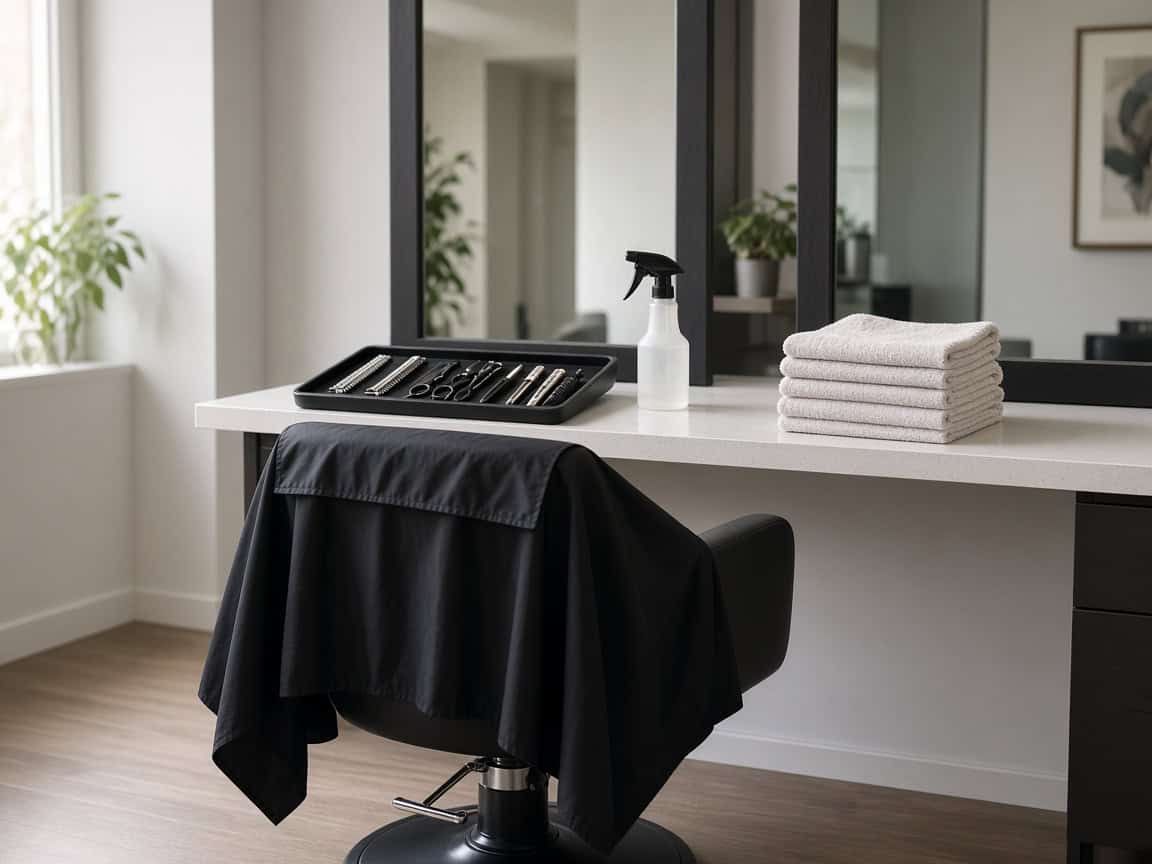
Before you go. Read recent Google reviews, scan the salon’s social for real client work, and note service menu prices so pay talk is grounded. Confirm time, dress code, and whether you need a model.
During the conversation. Be kind to every person on the floor. Answer with specifics: a hard client you recovered, a technique you want to deepen, how you take feedback. If there is a practical or trial service, work clean, narrate your consultation briefly, and stay coachable when they suggest a tweak.
Questions worth asking
- How do new hires get clients in the first 90 days (walk-ins, marketing, internals, or bring-your-own book only)?
- What does training or education look like here, and who pays for it?
- How is pay structured (hourly, salary, commission split, tips, retail), and when is that put in writing?
- Who covers product cost, and are there deducted fees I should know about?
- What does a busy Tuesday versus a slow Tuesday look like on this team?
- Am I classified as an employee or a contractor for this role?
After. Send a short thank-you the same day. Name one detail you noticed (education wall, consultation style, how the desk handled a rush). Reaffirm interest only if you still want the seat.
Red flags before you accept
Walk carefully if you see any of these:
- The “job” is mostly “rent starts next week” with no clear employee pay path.
- Pay model changes every time you ask, or they refuse to put terms in writing.
- Unpaid trial days that keep expanding with no decision date.
- Pressure to buy a large product kit before you have seen a schedule or contract.
- Nobody can explain how you will meet guests in month one.
- Culture signals: gossip about every past hire, public shaming on the floor, or dismissal of license and sanitation basics.
A beautiful interior does not cancel a vague offer. The right salon can explain money, clients, and expectations without shrinking from the question.
FAQ
How do I find hairdresser jobs near me without drowning in generic boards?
Use a beauty-specific board or filter, set your city or radius, and shortlist salons whose work matches your portfolio. Supplement with Instagram hiring posts and one or two targeted drop-ins. Then apply with a note that references their services, not a copy-paste cover letter.
Can I land salon jobs if I am new and do not have a full client book?
Yes. Many floors hire for attitude, sanitation habits, and coachability, then help you build. Be honest about your book size, show school or assistant work clearly, and ask how they support new stylists. Avoid seats that expect a full private book on day one unless that was disclosed up front.
What is the difference between salon jobs, hair stylist jobs, and beauty therapist jobs in listings?
“Salon jobs” is the broad bucket (desk, assistant, stylist, manager). “Hairdresser” or “hair stylist” usually means hair services. “Beauty therapist” and similar labels often lean skin, spa, or multi-treatment roles depending on the market. Read the duties and required license before you apply so you are not interviewing for the wrong chair.
Commission vs booth rental vs W2 or hourly: what should I clarify before a trial day?
Ask how you are classified, how often you are paid, what percentage or hourly rate applies, who pays for product, and what happens to clients if you leave. Commission and hourly roles can still be employment. Booth rental is typically a contractor arrangement where you pay for space. If the post mixed those models, get clarity before you invest a trial day.
Where should I apply if salons are hiring near me right now?
Start with roles that match your license and the pay model you want, in a commute you can sustain. When you are ready to scan live beauty openings in one place, browse salon jobs on Salon Hires and filter by what you actually do.
Next step
You do not need a perfect grid or a celebrity book to start. You need a clear role target, proof of your work, sharp trial-day questions, and the confidence to pass on fuzzy offers. When you are ready to look at current salon and hairdresser openings, open the Salon Hires jobs board and apply where the fit is real.